
For vet practices, the telephones are not in a state of decommissioning even if the office is closed. Pets get sick at night clients are anxious on weekends, and urgent inquiries rarely come in at the most convenient timings. These calls are often unanswered or redirected to voicemail. Sometimes, they are sent to an answering company who has no knowledge of clinical practice. This can lead to discontent from pet owners, and stress for vets who are waiting on the phone.
After-hours calls are an essential aspect of the veterinary industry. A strong answering service for practices in veterinary medicine will more than simply answer the phone. It is able to help practices maintain relationship with clients, assist pet parents on the optimal step and reduce the pressure on their employees. Today, in the veterinary field 24/7 support is not simply a matter of convenience. It’s part of a practice’s commitment towards continuity of medical care.
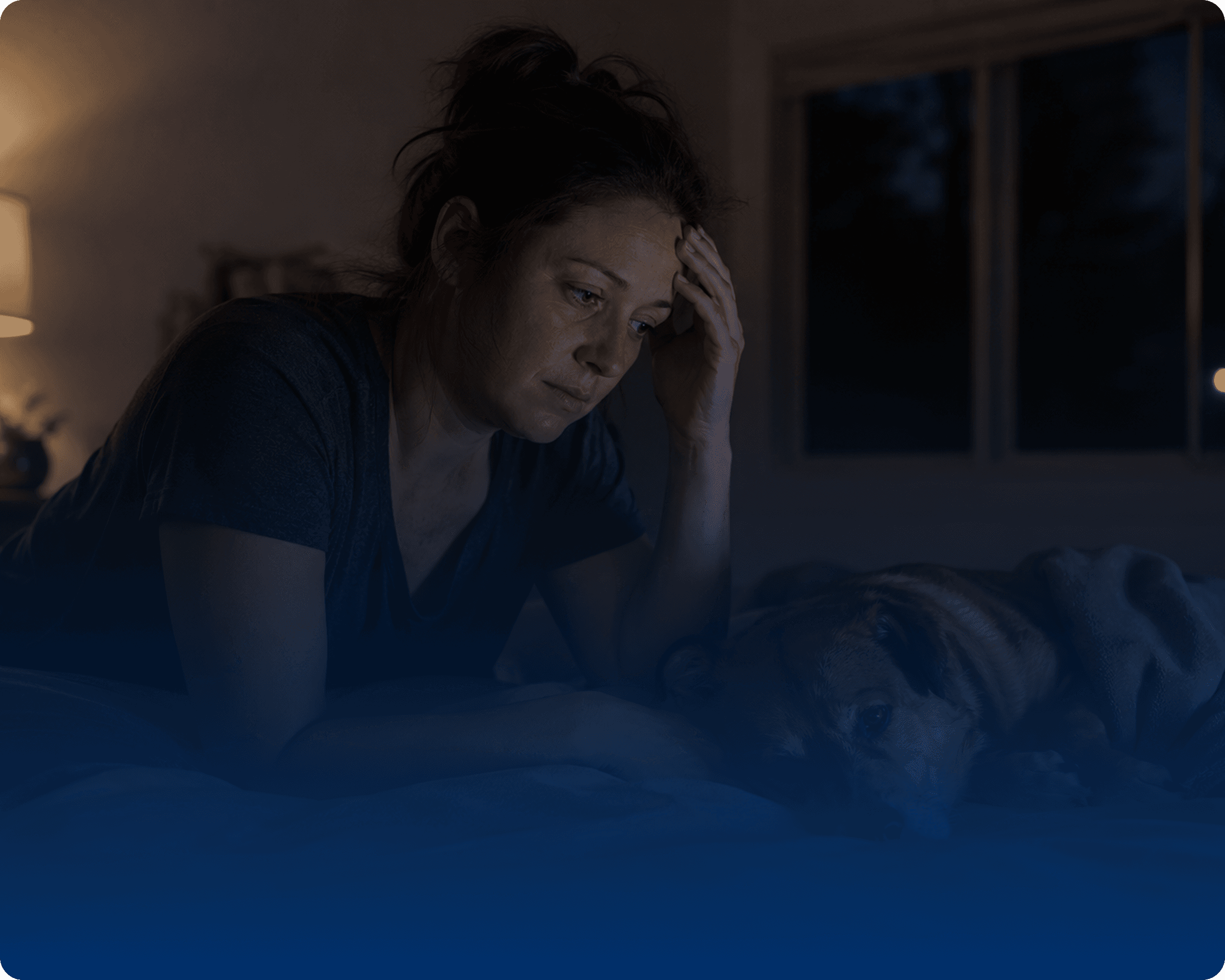
Image credit: guardianvets.com
Not all solutions are made for veterinary use
There is a major difference between a generic answering service and a specialized vet answering service built specifically for animal hospitals. In a hospital setting answering calls after hours is rarely straightforward. The patient might be concerned about toxins, post-surgical problems, breathing issues, vomiting or if the pet requires urgent medical care. These situations call for more than just a message. It requires a calm, logical communication and organization from someone who understands the veterinary workflow and is aware of the importance.
GuardianVets is distinct in this respect. Instead of functioning as an unassuming call center GuardianVets operates as a vet-oriented support partner staffed by Credentialed Veterinary Technicians. That distinction matters. A trained technician can assess the nature of the call, follow the clinic’s triage and escalation protocols, help the pet owner understand the level of urgency, and direct them toward the right next step without stepping outside the boundaries of the veterinary-client-patient relationship.
A vet triage service can help all people make better choices
It is important to have a veterinary triage service to aid you in making the right decisions in difficult situations. Pet owners are often unable to know if an issue could be delayed until the next day, or if they need to make a follow-up appointment or if they require urgent emergency treatment. A lot of people are in the dark, and are forced to go to the emergency hospital unnecessaryly, or wait to seek treatment.
This gap can be bridged by triage. It provides pet owners with a knowledgeable individual to speak to, which reduces confusion, and also helps ensure that urgent cases are handled appropriately while non-emergent concerns are properly documented and handled. The system also prevents veterinarians being interrupted after hours for issues which do not require doctor intervention. This could have a major impact on the work-life balance of hospitals, where doctors carry their own clinical workload throughout the day, as well as being on call at night.
The best veterinary call center is one that will fit into your workflow and not be a threat to them.
Modern call centers for veterinary medicine should not be a facility that is separate from your practice. It should function as an extension of the team. This means you must be aware of your appointment guidelines, emergency protocols, ways to escalate, and your communication preferences. This also includes integrating your PIMS to ensure that notes, scheduling outcomes, and call documentation flow back into the same software your team uses.
GuardianVets is built on this concept. The process involves analyzing gaps in coverage for calls and mapping the way in which communication with clients is currently handled, and creating processes that reflect the actual practice instead of squeezing the clinic to conform to a rigid model. This is a significant shift from traditional answering services which usually stop at capture and then leave the practice to sort things out in the future.
The convenience of the service is increased by better after-hours coverage
A reliable after-hours answering service for veterinary practices does more than simply reduce call drops. It ensures that clients are not under stress, allows more patients in the practice’s network and enables the team to more effectively manage demand during off hours. It also increases the revenue of a practice by turning weekends or overnight calls into scheduled appointments rather than missing opportunities.
It also reassures pet owners that someone knowledgeable will be available for help. This type of assistance is crucial deeply in veterinary medicine because after-hours calls are rarely just operational. They are also emotional. The emotional response of a pet animal can influence how people feel long after the situation is resolved.
GuardianVets provides a unique model for hospitals that want to improve care for clients as well as the overall wellbeing of their teams. It goes far beyond the traditional veterinary answering services. It helps practices stay available for clients, even if clinic doors are shut, by combining workflow integration, clinical triage and compassionate communication.