
It’s easy to conclude that superior medical imaging means producing more detailed pictures. But in reality, any radiology procedure that is effective serves more of a purpose. It’s important to ask whether the examination provides appropriate information for a particular medical condition.
For example, a person who is suspect of having a joint issue has an additional diagnostic issue in comparison to those who undergo breast or prostate imaging. Modern radiology takes into account these differences by using different imaging methods instead of a single scanner that covers all scenarios.
The private consultations at the Wolfsburg Diagnostic Center gives patients access to various imaging and diagnostic services within the same radiology practice.
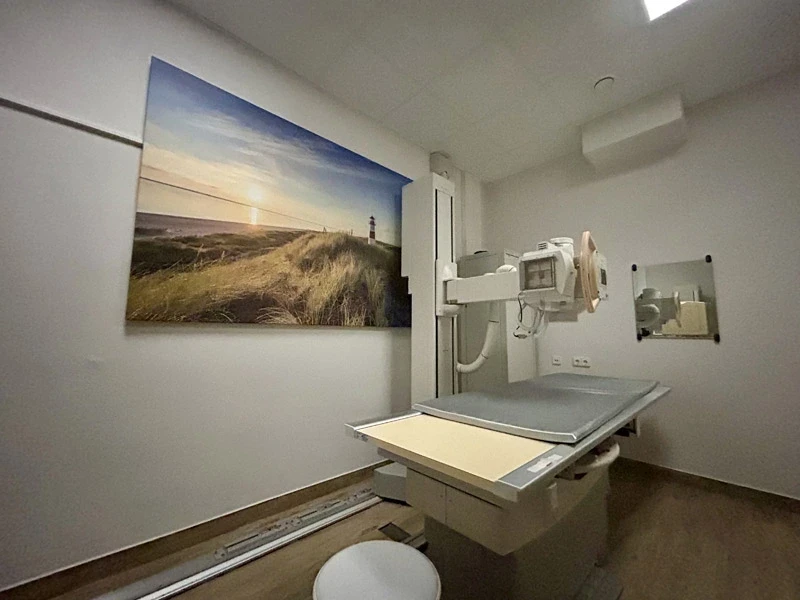
Image credit: diagnostikzentrum-wolfsburg.de
Different parts of the body Represent Themselves in Different Ways
Using different imaging techniques, the bones, soft tissues organs, joints, organs and other structures do not appear exactly the identical way.
Magnetic resonance imaging is especially useful in situations where a detailed view of a variety of soft tissue structures is needed. The Wolfsburg Diagnostic Center operates two modern 1.5 Tesla MRI scanners and is able to examine areas like the spine, brain joints, internal organs and soft tissues.
MRI is a non-radiation X ray imaging. The center also provides more focused examinations, including prostate MRI and full-body MRI in cases of medically necessary.
The term “MRI” is a technology that describes the usage of this technique. However, the medical question will determine how it will be used.
CT Offers a Different Kind of Perspective
The role CT plays in diagnostic medicine is unique. CT creates detailed cross-sectional pictures of the body using X-rays. At the Wolfsburg Diagnostic Center, examinations are performed using low-dose technology intended to decrease radiation exposure while maintaining image quality needed for evaluation.
Each patient’s individual situation will determine the most suitable imaging method. The quality of sound produced by an image does not always determine its suitability.
Digital X ray remains relevant
MRI and CT are receiving a lot of interest. Traditional X-rays may sound old-fashioned. Digital X-rays tell a completely different story.
Digital systems are an effective method of examining the skeletal system. Modern equipment integrates high-resolution imaging along with techniques that aim to minimize radiation exposure.
The newer technologies have widened the scope of radiologist’s options rather than simply replacing every method that came before them.
Breast Imaging Can Benefit an Intensive Method
Breast diagnostics is another type of specialized imaging. The center offers mammography which includes 3D mammography, tomosynthesis as along with breast ultrasonography. These technologies offer different types of imaging information, and could be used based on the individual medical needs of each patient.
Radiology is based on the same principle of understanding the subject matter that needs to be examined is vital for a successful imaging.
Sometimes, imaging can help guide treatment
Radiology isn’t only about identifying and monitoring any abnormalities. The Wolfsburg Diagnostic Center offers CT-guided Periradicular Therapy (PRT) in which CT imaging is used to guide the procedure. Another treatment option is low-dose radiation therapy.
These examples demonstrate the ways in which imaging technology can go beyond observation and can play a part in precisely guiding medical treatment.
Specific and focused questions
Modern diagnostic centers aren’t only defined by the number of machines it operates. Its worth lies in applying technology to a specific medical condition, and having experts interpret the images. To learn more CT Wolfsburg
Private consultation hours are available in Wolfsburg, patients have access to a broad range of radiological exams including specialist services, as well as straight discussion of their findings.
The goal isn’t just to create more images. The aim is to produce information that is clinically relevant and will aid patients and doctors to better grasp the medical problem that is being studied.