
For a long, long time, edge computing was thought of as something expensive and complex and was usually reserved for large companies that have specialized hardware. Today, that perception is shifting. Companies across the UK are realizing that flexible, cost-effective systems can produce impressive results with no unnecessary complexity.
The advent of platforms that combine ease of use and scalability lies at the core of this shift. Edge computing solutions that UK companies can now count on appear very different to traditional configurations. Instead of relying only on data centers that are centrally located, businesses are bringing processing closer to the places where data is created.
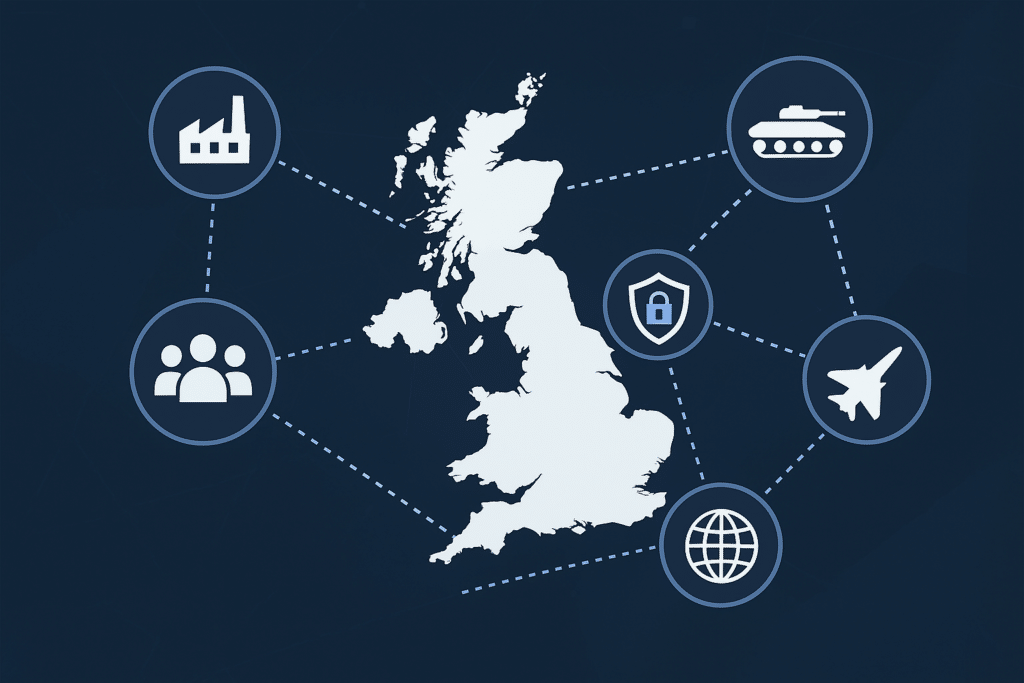
This improves speed, reduces latency, and creates the possibility of real-time decision-making.
From Small Devices to Enterprise Systems
The Raspberry Pi has come a quite a long way from its original reputation as a learning tool. It was once a gadget for hobbyists and is now utilized in real-world applications for logistics, manufacturing, and other smart environments.
Businesses can turn an individual device, like ScalerPi into a more coordinated, larger, system by using platforms such as ScalerPi. The Raspberry Pi cluster model for production allows multiple units to be used in conjunction to create an integrated system that can handle large-scale workloads.
This makes it possible to grow from a small prototype to hundreds of connected devices all operating in sync.
Bringing Kubernetes to the Edge
Modern infrastructure is based on orchestration tools and containerized apps. Kubernetes is a popular tool to manage the environments. However, running it at the edge poses new challenges.
An on-premise kubernetes solution provides a way to maintain control while still benefiting from the flexibility of container orchestration. Instead of relying solely on cloud service providers, businesses are able to deploy and manage their systems locally.
This creates a balance between performance and control, allowing businesses to adapt their infrastructures to meet specific requirements of their operations. ScalerPi fills the gap through combining the hardware know-how of ScalerPi with modern software practices. This makes sophisticated deployments cost-effective.
The Reasons Data Sovereignty is becoming more important
As data regulations become more complicated, businesses are paying close attention to the places where their data is kept and processed. A lot of businesses are concerned about the control and security of their data when they use cloud services.
The UK can use an official cloud service to maintain high performance while keeping data inside the nation’s borders. This solution makes sure that sensitive data remains secure and compliant with local regulations.
Integrating edge computing into sovereign infrastructure can enable companies to achieve the flexibility and transparency they require. Data is processed nearer to the source and is managed in an controlled environment.
Simplifying Complex Deployments
The management of large numbers devices poses a significant issue for edge computing. As deployments grow the need to maintain security, performance, consistency and consistency becomes more challenging.
ScalerPi can tackle this issue by providing an all-stack solution which includes devices, hardware and consultation. The integrated model makes it easier to manage the process and allows teams to concentrate on their application instead of the infrastructure.
A edge computing solution UK businesses can trust must not need constant manual intervention. Instead, it must offer tools to automatize processes, monitor performance, and ensure the reliability of all devices.
Building Systems You’re able to Scale With Confidence
In order to expand from a simple prototype environment to a production environment it is essential to plan carefully. Each stage brings new challenges, ranging from selecting the hardware to software integration and ongoing maintenance.
The Raspberry Pi cluster production use strategy makes this transition smoother by creating an enduring structure for growth. Businesses can grow at their own speed by adding devices or making adjustments without disrupting the existing system.
This flexibility is crucial when businesses are exploring new technologies or entering new markets.
Future-proof and flexible
In the future, infrastructure will be open, flexible, and efficient. Companies do not want to be confined to rigid solutions which hinder their innovations.
Organisations can have greater control over their operations as well as data by using tools such as an on-premises version of kubernetes as well as an UK sovereign cloud solution. These solutions, when paired with the scalability and versatility of Raspberry Pi clusters, create the foundation for long-term growth.
Edge Innovation: Moving Forward by implementing Edge Innovation
Edge computing is no longer an new concept, but it is now an actual solution to current problems. Combining low-cost hardware with sophisticated software allows businesses to create powerful systems.
ScalerPi helps businesses bridge the gap that exists between physical and cloud computing. Edge computing is now accessible to organizations of all size thanks to its thoughtful design and reliable implementation.
As businesses continue to explore the potential benefits distributed systems provide, their capacity to scale up efficiently and securely will determine success in future years.