
The month is now over. The month has ended.
Check the restaurant’s bank account.
You didn’t get the call you were hoping for.
For owners of restaurants, this disconnection can be a source of frustration because profits and cash flow seem like they should have the same meaning. They don’t. It’s not true. P&L is a measurement of financial performance, while the bank account is an indication of when money moves in and out.
Understanding the difference will alter the way that a restaurant’s owner views their finances.
Imagine what happens on an average week. Food is paid for by customers. Employees have to be paid. The invoices for food and drinks are sent. Rent is nearing. Credit card payments are timed. Taxes on sales have been collected, but that money comes with an obligation.
Already the next week’s purchases have started.
If you just look at the revenue or the final profits, then you’ll overlook a significant portion of the activity.
Prime Cost could be the Key to the Clue
If the restaurant’s profitability starts to decline, the cost of food, beverages and labour costs must be taken in consideration.
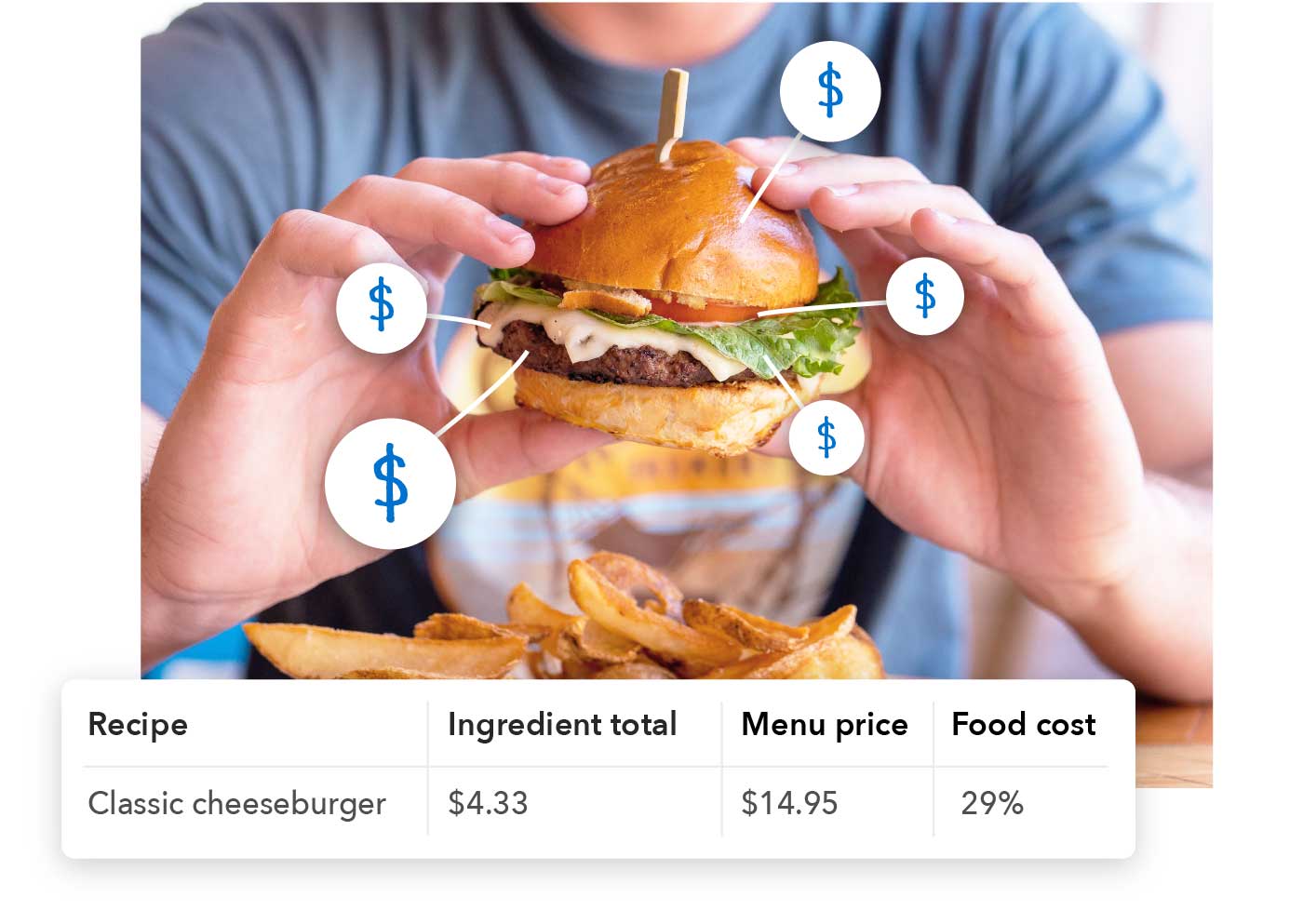
Together, the cost of the goods sold and the labor cost are the main costs. Bookkeeping Chef’s supplied guidance places the primary cost at around 60% to 65% of revenue for many restaurants, while focusing on regular monitoring instead of waiting until the close of the month.
Effective primary cost management is less about focusing on one percentage point and more about noticing movement earlier.
Imagine that the restaurant’s performance usually within the range of its goals, but this past week, it grew. Perhaps overtime was has increased. Perhaps the cost of beverages remained steady while food costs jumped. Operators may examine menus and portions, waste, vendor invoices, and purchasing if the proportion of food is higher.
The percentage raises the question. The activities that underlie the restaurant provide the answer.
This is possible due to the fact that everybody can remember what transpired.
A few weeks later, the details become much more difficult to understand.
The Vendor’s Bills Are Received
The restaurant is expected to pay an additional time for the items it purchases. This is a reason for profits alone won’t be able to answer every cash question.
Invoices from vendors need to be accounted for, tracked and paid. In a busy operation with multiple suppliers, managing that manually can turn into the company’s own administrative task.
Automating the process of paying bills can streamline this process by reducing the repetitive handling of payments and bills. Bookkeeping systems that are integrated can give owners a better image of their obligations even if they haven’t yet been paid.
This is beneficial, as the balance of your bank account may appear more healthy than the restaurant’s real near-term situation.
Today, there may be $80,000 on the account. It could mean something different in the event that payroll, rent vendors, or other obligations will consume a large amount over the next several days.
This is the reason for cash flow forecasting.
The better question to ask is “What will happen to our money after we receive it and have met our commitments we’ve identified?”
It is essential to be aware of what the distinction is when deciding if this week is an ideal time to replace equipment or purchase additional items or to conserve liquid funds.
The money you receive may Not Be Yours
The sales tax illustrates this point very well.
Restaurants get money from clients, which they be able to manage according to the tax requirements. If the funds are mixed with cash flow, the balance in a bank can offer a false impression of the amount of money available.
Regularly maintained records help restaurants to comply with the sales tax laws and also providing an accurate image of their financial condition.
Restaurant accounting is more efficient when the financial obligations of each restaurant do not have to be handled separately.
Prime cost affects margin. Vendor purchases impact COGS as well as future payments. Payroll can affect both the labor and cash percentage. Cash flow is impacted by the sales tax. The P&L shows financial performance, and forecasting assists management to look ahead.
The pieces are connected.
Bookkeeping Chef incorporates restaurant-specific reporting through system integrations. For operators who don’t want to spend their nights manually reconciling financial data, specialized outsourced bookkeeping services can handle much of the accounting workload without removing the owner from the financial conversation.
It’s the last thing that is important.
Restaurant owners shouldn’t be able to stop reading their books just because they are handled by someone else. Owners should be provided with data in a way that allows them to understand what’s happening.
If the P&L indicates that the establishment is profitable but the bank balance seems insufficient, don’t believe that the P&L is not accurate.
Ask them about what transpired between them.
Answering this question can give you more insight into the restaurant, more than just an identifying number.