
Repetition is among the most difficult issues people have to deal with when working with artificial intelligence. A good AI assistant could give an excellent response one time, only to forget the information in the subsequent interaction. Developers usually compensate by offering the same data in the form of project files or even documentation, to keep the conversation productive.
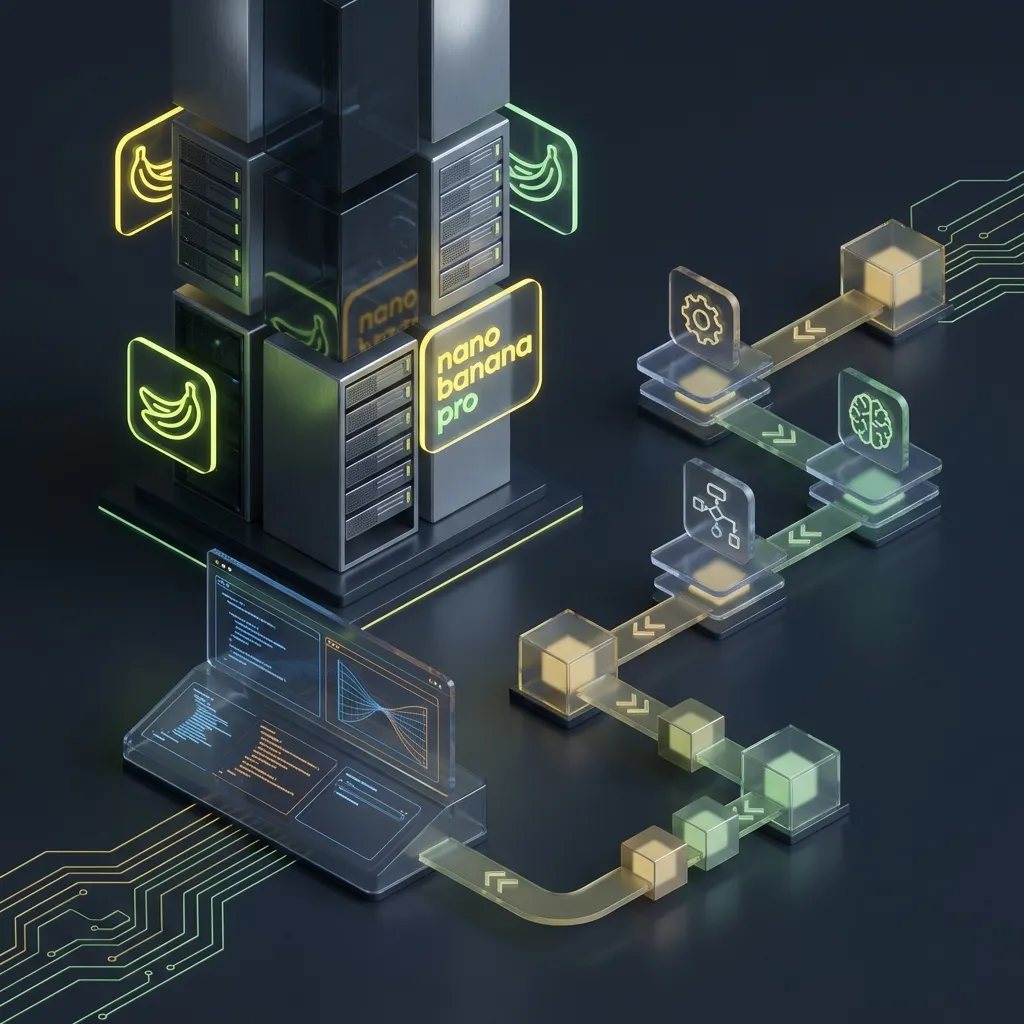
This strategy is getting less efficient as AI is more widespread in software. Intelligent systems should be able to store relevant information in a timely manner, access it quickly and recognize the change in information over time. This is why memory is now one of the major components of a modern AI architecture.
Memory transforms AI from reactive into intelligent
A system that is able to recall previous work will behave differently from one that has to start from scratch each time. Persistent memory makes it possible for applications to understand ongoing projects, recognize regular patterns and offer answers based upon past context rather than isolated questions.
Telys was developed to tackle this challenge. It is not a cloud-based service, it functions as an embedded AI agent memory engine that stores and retrieves data directly within the application. This architecture allows developers to use a reliable method to maintain context and eliminate unnecessary computations. The result is an AI experience that feels significantly more natural due to the fact that the software recognizes what is important.
Local data storage improves speed and privacy
Performance is no longer determined solely by how fast an AI model creates text. For organizations that are deploying AI, speed of retrieval as well as system flexibility and data security are becoming equally important.
The use of on-device memories for AI agents allows them to find relevant information without having to communicate with servers that are external. Because memory stays within the local environment, queries are executed faster and organizations have greater control over sensitive information. This type of architecture is particularly beneficial for teams working on internal tools, enterprise-level software or applications that require privacy.
Developers benefit from memory that operates behind the scenes
Designing intelligent software shouldn’t be a burden. managing complex infrastructure just to save context. Developers are increasingly looking for tools that can be seamlessly built into workflows already in place without requiring additional expense.
A local MCP memory server makes that possible by allowing compatible AI development environments to access persistent memory directly within the local ecosystem. AI assistants don’t have to transmit data over remote APIs. They can access the data they require directly from a memory which is already linked to the application. This approach is simpler and reduces delay and improves the experience for developers working on large projects with a constantly changing codebase.
AI can only be effective by being built in long-lasting context
Artificial intelligence goes beyond basic conversation into systems capable of analyzing and planning complex tasks independently. These systems require more than just powerful models of language; they also require a reliable memory system that will preserve knowledge throughout every interaction.
Telys is a distinctive AI memory engine that provides permanent local retrieval for applications that require speed, reliability and privacy. In conjunction with on-device storage for AI agents and a high-performance local MCP memory server, Telys aids developers in developing software that is able to remember past work, instantly retrieves information and is constantly improving with time.
The ability to think clearly and accurately will become more valuable as AI is integrated into business operations. Telys assists AI developers develop AI apps that are faster and smarter, as well as more useful by providing long-term understanding to intelligent systems rather than brief conversations.