
The industry of the present is experiencing a change where efficiency, speed, and flexibility are not options anymore, they are required. Traditional infrastructure, often expensive and slow to evolve in response to the ever-growing demand for instant analysis and distributed processes. ScalerPi brings a fresh perspective on the subject by combining edge computing and the practical aspects of engineering. This allows for solutions that scale.
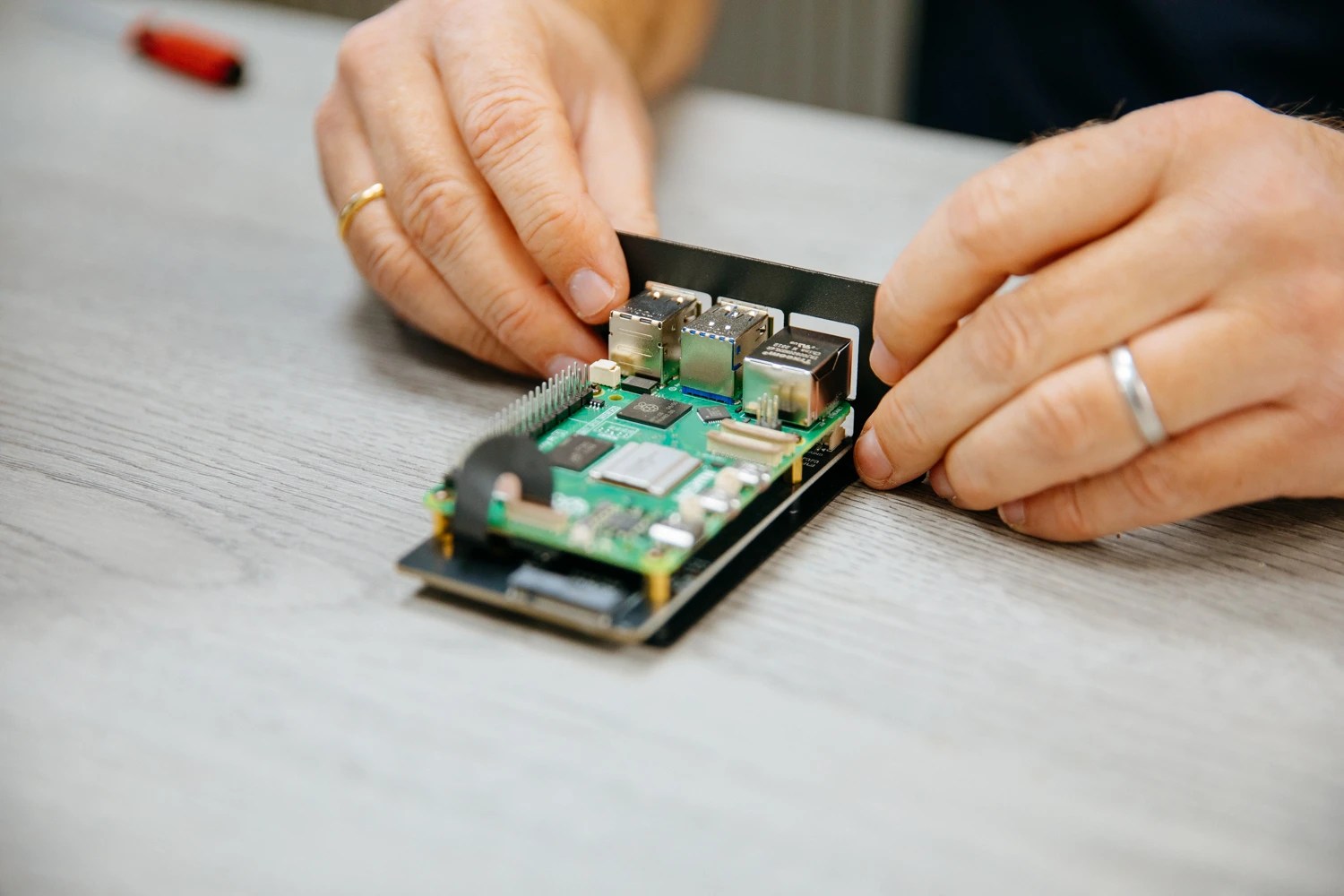
At the core of this evolution is industrial automation using Raspberry Pi, which enables organizations to rethink how they build and manage systems. Instead of being dependent on large, centralized hardware, businesses can now utilize lightweight and powerful devices that work directly on the spot where data is created. This approach reduces the amount of latency and gives teams the ability to respond quickly to the changing environment.
Data for Action at the Edge
The ability to handle information locally is the key advantage of computing at the edge. In many industrial environments it’s impossible to sit and wait for cloud systems respond. ScalerPi offers a system that is completely independent, yet can still integrate with other systems, if required.
An important part of this setup is the industrial Raspberry Pi IoT gateway, which serves as the central link between devices and applications. It allows seamless communication between sensors, software, and machine platforms. This enables real-time monitoring of operations, prompt detection of problems, and consistent performance across different sites.
This technology has a transformative effect on industries like logistical and environmental monitoring. This allows systems to work even in remote areas or with low connectivity, which means that data and operations are accessible.
Compact Power for Demanding Environments
In the field of industrial computing, balancing speed and practicality is among the toughest tasks. Big servers may provide the power, but they typically come with high costs, energy consumption, and the inability to change. ScalerPi is able to overcome this by using industrial Raspberry Pi servers that deliver solid computing in a compact size, and energy efficient.
These servers are designed to work in real-world settings where space and power are limited. They can be used in factories or a retail outlet or a remote monitoring station, they provide consistent performance without the requirement for a complex infrastructure. The modular nature of these systems also lets companies expand their systems slowly, allowing growth with actual needs.
The tiny industrial Raspberry Pi module server takes this concept one step further and offers greater versatility. These servers are built to withstand harsh environments and incorporate advanced processing robustness. These servers are ideal to applications that require continuous operation such as smart cities or industrial automation systems.
Flexible Deployment Using Containerized Delivery
Containerization is a crucial aspect of modern infrastructure. ScalerPi incorporates industrial Raspberry Pi docker environments, enabling flexible and efficient management of applications. Docker lets companies deploy or scale up applications without disrupting their existing operation.
This method simplifies the development process and ensures the sameness between deployments. This lets applications be tested in one location and then seamlessly transferred to another. This decreases the chance of errors and increases overall reliability. This level of control, that is crucial for companies with multiple locations is extremely beneficial.
Containerization helps in the process of innovation. Teams can experiment with the capabilities and services they want to try without affecting existing systems. This makes it simpler for them to stay on top of the competition.
Practical Solutions for Multiple Sectors
ScalerPi’s strength lies in its ability to be able to adapt to different industries. In the manufacturing industry, industrial automation using Raspberry Pi enables pre-planned maintenance, which can help reduce the time of breakdown and boost efficiency. The machines can share and communicate information to create a unified and intelligent environment.
In the agricultural sector, edge-based technology can aid farmers in adopting smarter methods of farming. Sensors can monitor crop health and soil conditions. They also track the weather patterns.
Hospitality and retail industries profit from real-time data on customer behaviour. Businesses can enhance customer experience through optimizing their business processes. This is a case of digital signage as well as queue management. Meanwhile, public sector projects which include smart cities rely on edge infrastructure for tasks such as monitoring environmental quality and asset tracking.
With Confidence, bridge Hardware and Cloud
The ability of ScalerPi to connect physical devices and cloud-based systems is what makes it stand out. Combining hands-on experience in hardware and modern cloud technology makes a platform that can support local processing and centralized management.
This ensures that businesses can scale easily and without difficulty. The infrastructure is easily manageable, cost-effective, and secure whether you begin with a modest deployment, or expand to thousands of devices. Transparent pricing, modular design and user-friendly simplify the process of deployment. This lets organizations focus on innovation and not operational challenges.
A Future-Ready Approach to Industrial Technology
As the industry continues to grow with rapid pace, the need for flexible and efficient infrastructure will continue to grow. ScalerPi can be a solution which can meet these requirements by combining edge computing power with Raspberry Pi technology.
From industrial Raspberry Pi servers to advanced IoT gateways and containerized applications Every component is created with scalability and real-world usability in the back of our minds. This system not only meets today’s business needs however, it also prepares for tomorrow’s challenges.